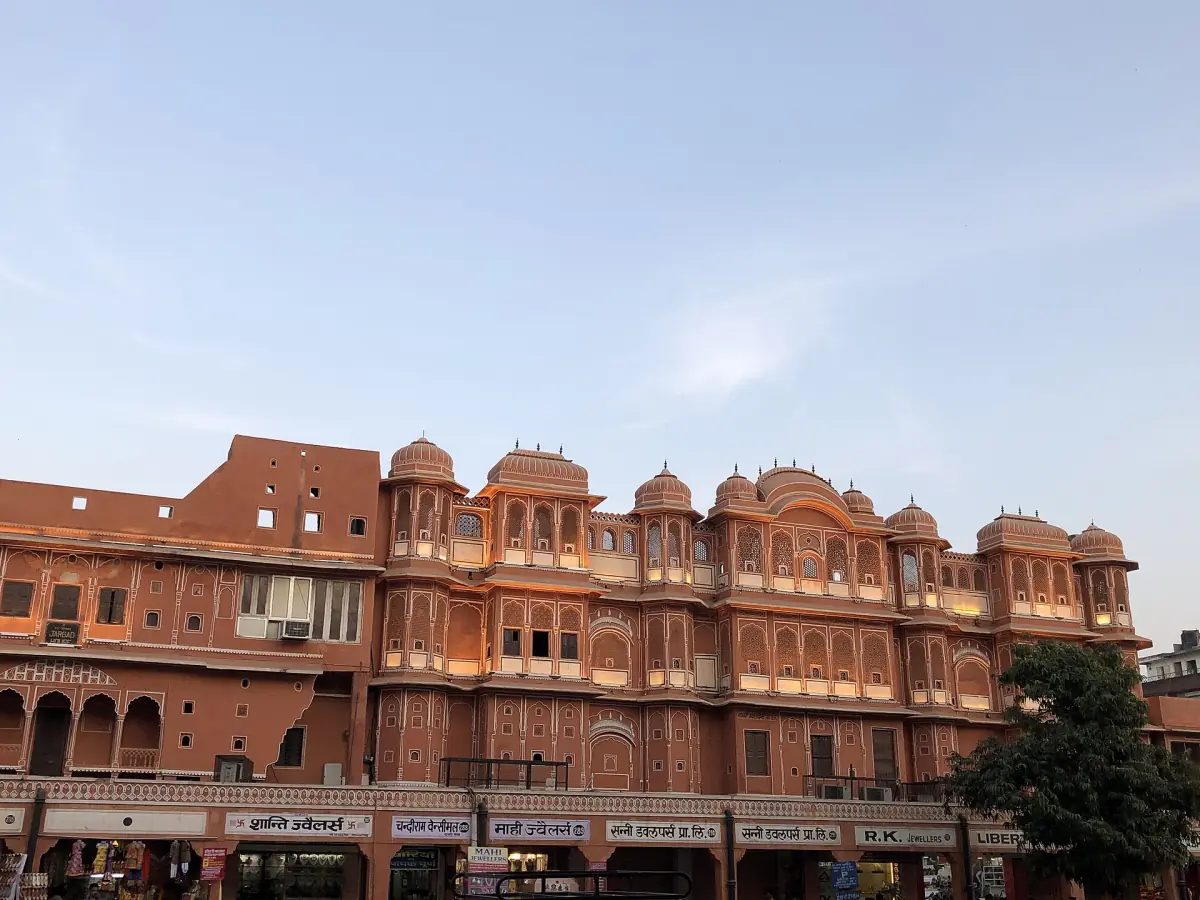
The main bazaars of the old town
Jaipur's best known markets lie along the grid of the Pink City, within walking distance of the Hawa Mahal. Each street has a focus. If you know what you want, you can pick the right bazaar and skip the rest.
This is an independent guide. It names markets, not shops, and it does not promise prices or quality. Compare a few stalls before you buy and look at the material of anything you pay for.
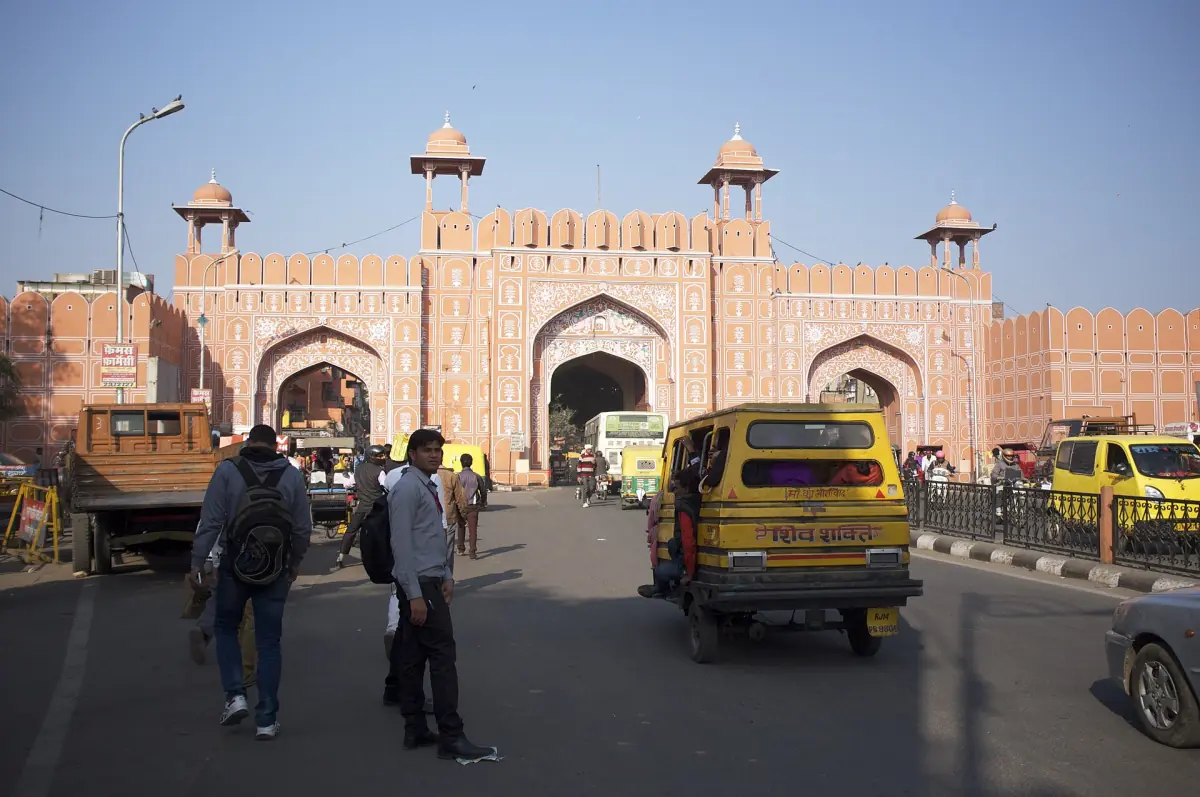
What each bazaar sells
One focus per street.
| Bazaar | Known for | Good to know |
|---|---|---|
| Johari Bazaar | Jewellery, gemstones, handicrafts | Ask about the material of any stone or metal |
| Tripolia Bazaar | Lac bangles, hand-woven goods | Lac bangles are the local speciality |
| Kishanpole Bazaar | Wood carving, dyed Rajasthani fabrics, souvenirs, traditional shoes | Good for gifts |
| Bapu Bazaar | Leather and mojri shoes, fabrics, clothing, handicrafts, perfumes | Check what a shoe is made of |
Jaipur walking tours and bazaar visits
Old town walks, food tours and city tours in Jaipur, with live prices and availability.
How to shop in the bazaars
Practical points for a first visit.
Jewellery and stones
No one can promise the authenticity of a gem from the street alone. Ask what a stone is, ask for the answer in writing and do not buy a high-value piece on the spot.
Shoes and leather
Mojri shoes are a classic buy at Bapu Bazaar. Not all of them are camel leather, so ask what the material is if it matters to you.
Lac bangles and textiles
Tripolia is the place for lac bangles. Fabrics are sold in several bazaars, and the Kishanpole area is known for dyed Rajasthani cloth.
Prices
Prices are not fixed, and no standard bargaining range exists. Look at two or three shops first. Pay in small notes when you can.
Heat and crowds
The streets get hot and busy by late morning. Start early, drink water and give yourself breaks in the shade.
A simple route through the markets
Plan around the heat, not the shops.
Start at the Hawa Mahal in the morning and walk along the main market streets one by one. Johari Bazaar suits a first look at jewellery and handicrafts. Tripolia is the stop for lac bangles. Kishanpole is the street for fabrics, wood carving and gifts. Bapu Bazaar is the place for shoes, clothing and perfumes.
Take breaks, keep valuables close and carry only the cash you need. If you want a guide, a walking tour can explain what you are looking at, but you pay for the tour, not for the goods. Leave room in your bag and your day for the old town beyond the shops.
Opening days and getting there
Hours depend on the shop.
Markets in Jaipur are generally closed on Sundays, but Johari Bazaar may stay open daily from 10 a.m. to 11 p.m. In practice, hours vary by shop, so do not plan a Sunday shopping trip without asking locally first.
The metro stops at Badi Chaupar and Chhoti Chaupar are the practical entry points to the old town. From there you can walk the bazaars. You can also walk from the Hawa Mahal, which lies on the same street system. Our guide to Amber Fort and the other forts covers the sights outside the walled city.
Keep exploring
Pages that go with a market visit.
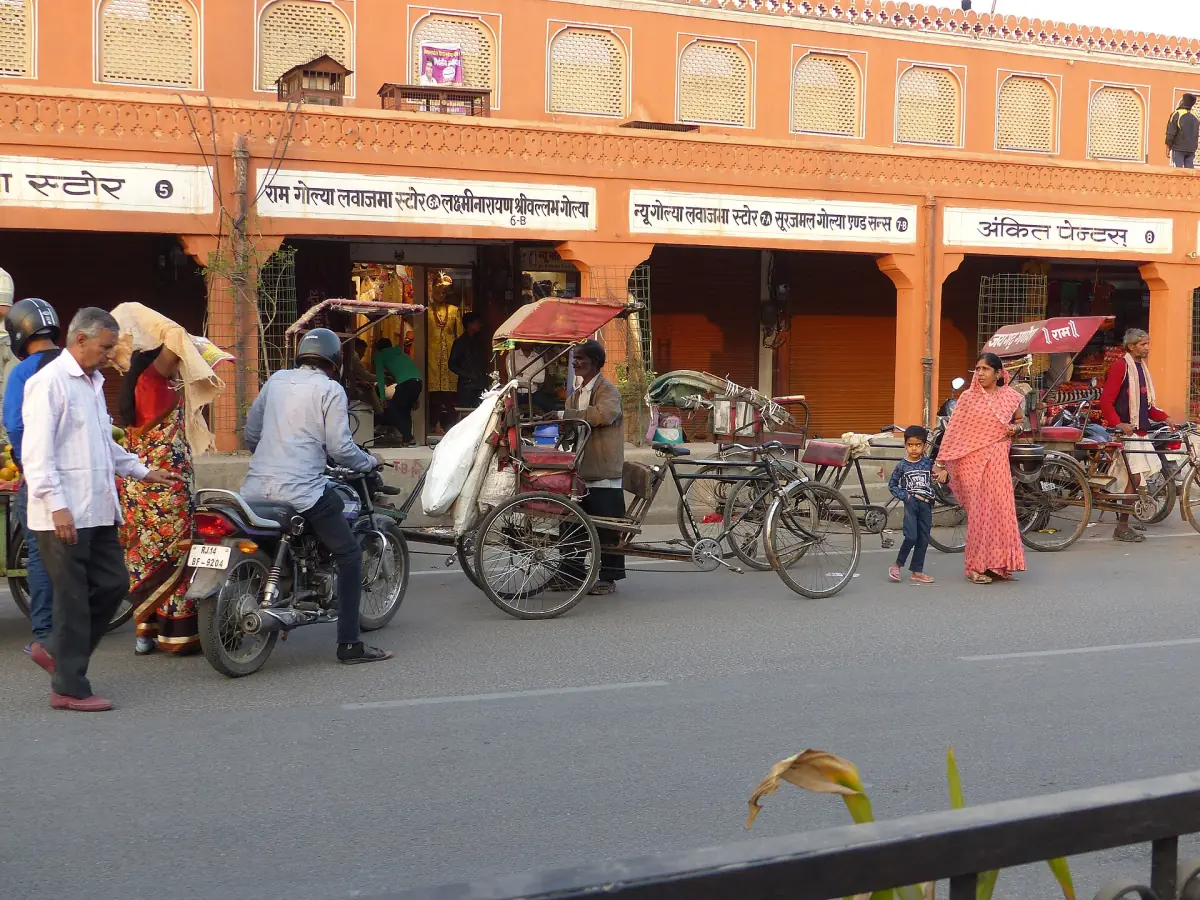
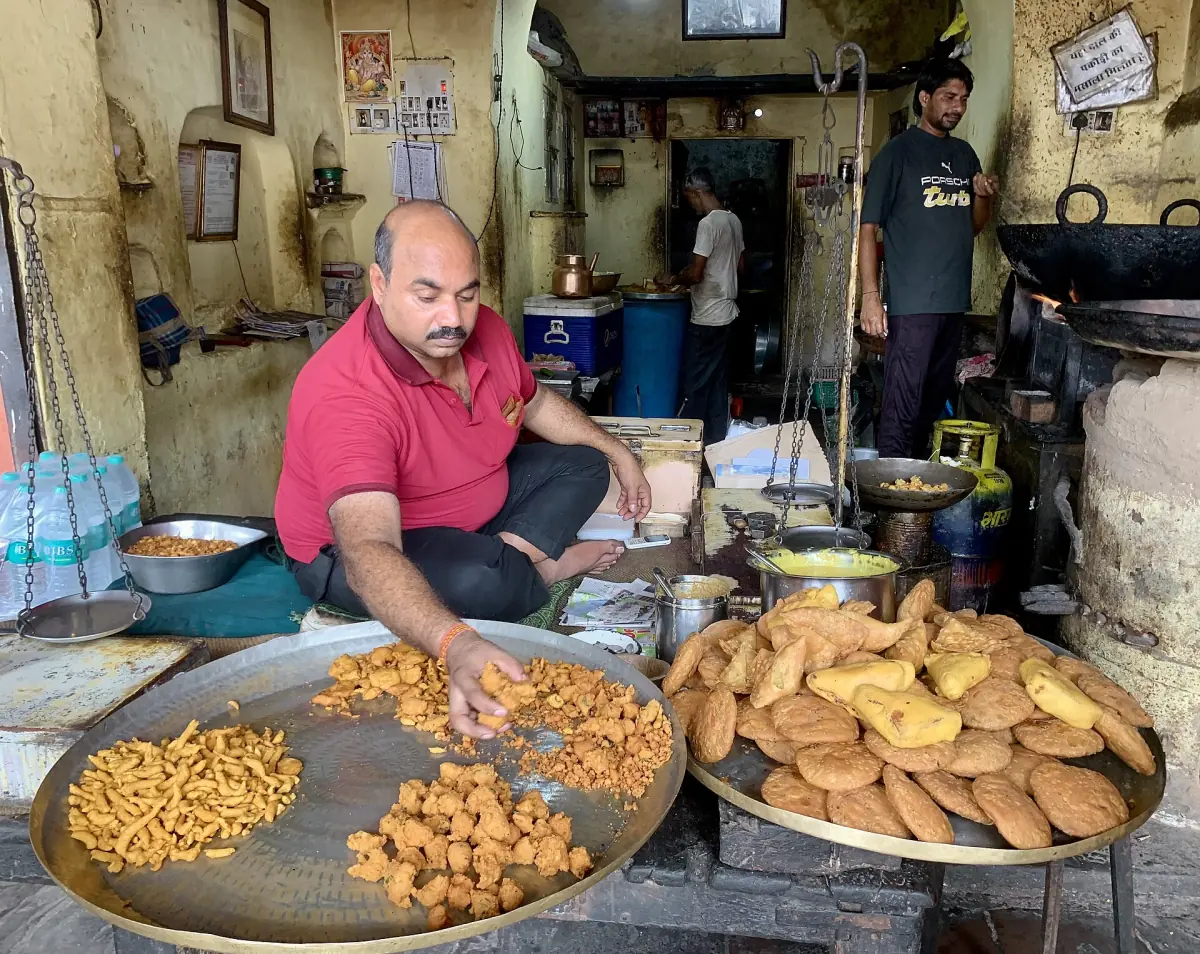
Jaipur bazaars: frequently asked questions
Which bazaar is best for jewellery?
Johari Bazaar is the jewellery and gemstone street. It also sells handicrafts.
Where can I buy lac bangles?
Tripolia Bazaar is known for lac bangles and hand-woven goods.
Are the bazaars open on Sunday?
Markets are generally closed on Sundays, though Johari Bazaar may be open daily. Check the current timetable before you go.
How do I reach the bazaars by metro?
Get off at Badi Chaupar or Chhoti Chaupar and walk into the old town.
Can I trust that stones and leather are genuine?
There is no guarantee from the street. Ask about the material, compare shops and avoid large purchases on impulse.